Sporting group
Labrador Retriever
A retrieving athlete who lives in your kitchen and will invent a job if you do not assign one.
About the Labrador Retriever
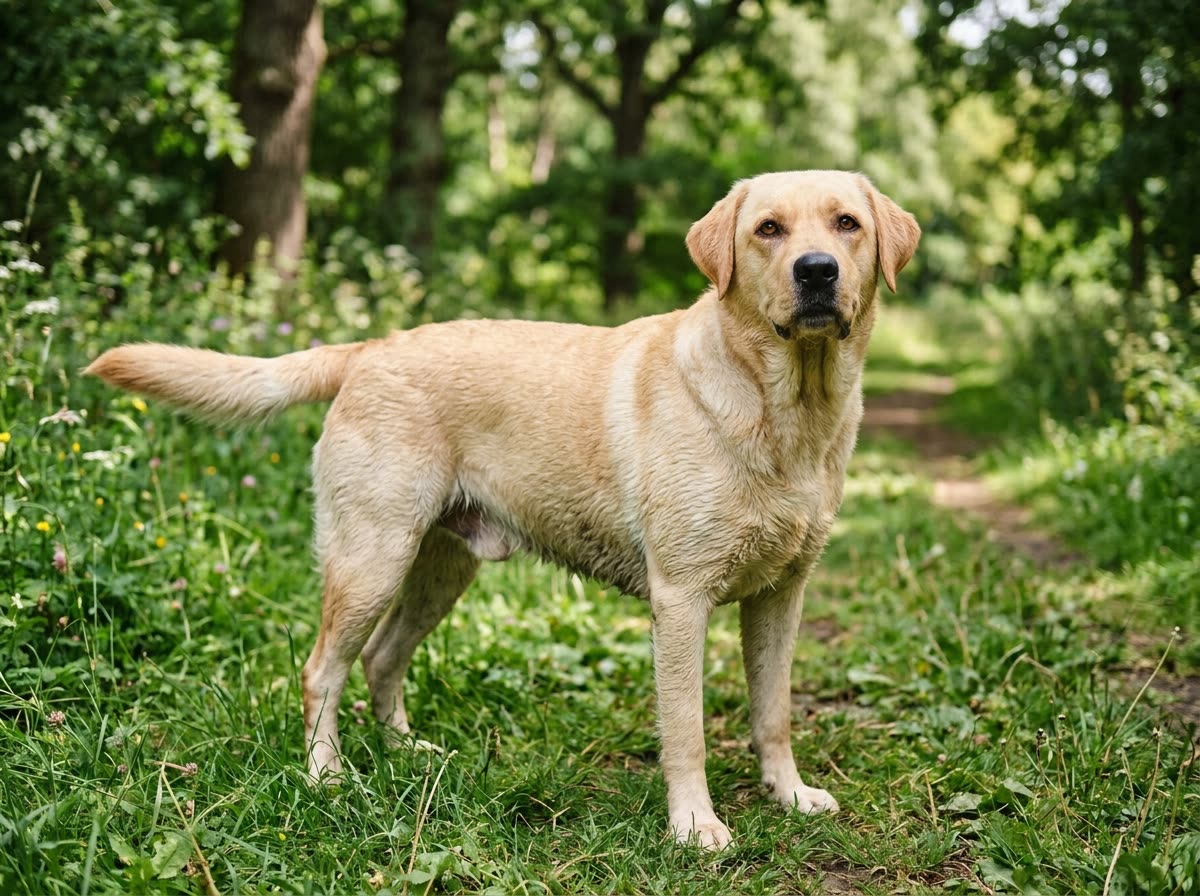
The Labrador Retriever is the dog a lot of households think they already know. Yellow, black, or chocolate; a thick otter tail; a head that looks friendly in a photograph. What the photograph does not show is the motor. This is a sporting dog bred to work all day in cold water, then sit quietly in a boat. In a flat or a suburban kitchen, that history shows up as a mouth that collects objects, a body that needs a job, and a social appetite that can tip into jumping if you pay it.
I write about Labs as a working trainer, not as a registry. The type is commonly shown in the Sporting group at kennel-club events. That grouping is public knowledge about the job the breed was built for — retrieving to hand — not a promise that your particular dog will be easy. Lines differ. A field-bred Lab and a heavier companion Lab share a mouth and a love of people; they do not share the same daily mileage.
If you already have a Labrador puppy, start with the first-sixteen-weeks map rather than a shopping list of breed adjectives. The crate, the night, the toilet, and the mouth are the same four problems every Lab household meets in week one. Breed notes on this page are hypotheses about energy, mouth, and sound — not a personality certificate.
Temperament
Temperament in a Labrador is usually outgoing, food-interested, and physically confident. That combination is why the breed is used as a service dog and why the same breed knocks toddlers over in a hallway. The dog is not being dominant. The dog is being a Lab: social, mouthy, and sure that contact is a good idea.
Most Labs I meet are not suspicious of strangers. They are disappointed if a stranger will not play. That is a training problem — how to greet, how to sit for a hello, how to leave the kitchen — rather than a guarding problem. The failure mode is rehearsal: every jump that earns hands becomes the default greeting.
A bored Labrador does not become calm. A bored Labrador becomes a counter-surfer, a sock thief, or a backyard excavator. Give the mouth a legal job — retrieving, scattering food in grass, a stuffed chew in a crate — before you lecture the dog about manners. Soft mouths were selected for birds; they will still land on your forearm if play has no off-switch.
With children, the honest line is this: many Labs enjoy kids and many Labs body-check kids. Management (gates, a rest place, an adult who is actually watching) is how you keep that from becoming a bite you cannot retrain. No breed nannies a toddler.
History
The breed’s working story starts in Newfoundland, with water dogs that hauled lines and retrieved fish, then continues in Britain where sportsmen tightened the type into a retrieving gun dog. The short double coat, the otter tail, and the willingness to take a mark and come back are not decorations. They are the job.
In the last century the Labrador split, informally, into field lines and companion or show lines. Both can live in a house. Field lines usually need more running and more retrieving reps. Companion lines can still be loud, mouthy, and heavy. When people say they wanted a Labrador because they are good family dogs, they are quoting a reputation. Reputations do not walk your dog.
You will see Labs listed among the most registered dogs in several countries. Popularity is not the same as a match. A first-time owner can raise a good Lab. A first-time owner who works twelve hours and offers a garden as enough usually raises a Lab with a hobby the household did not choose.
Care
Daily care is not complicated and it is not optional. An adult Labrador typically needs a real walk or two, a chance to swim or retrieve if you have it, and a rest place that is not the entire sofa. Puppies need more naps than the internet suggests. An overtired Lab mouth looks naughty.
Food interest is an asset in training and a liability on the counter. Measure the ration. Use part of it as payment. A Lab that lives on free-fed kibble plus training treats plus stolen toast becomes a joint problem later — and joints are already a conversation in this breed.
Heat and water: the coat handles cold water better than midsummer pavement. On hot days, swap the noon run for a sniffy walk and a swim. In flats, the job can be a hallway retrieve, a scatter feed on a towel, and a crate nap. Architecture changes the furniture, not the need.
Training
Labs are usually easy to pay and slow to bore of food. That is why they look trainable in week one and why people skip the boring foundations. Sit, down, and a retrieve are cheap. A loose leash past other dogs, a settle on a bed while you cook, and a mouth that ends the game when teeth meet skin are the actual curriculum.
Build the retrieve as a loop you can stop. If every thrown object becomes a keep-away, you have taught keep-away. Trade up. Pay for the delivery. End the session while the dog still wants one more.
Use the crate as a rest skill, not a jail. Introduce it door-open. Close it after the puppy has already gone in. Nights are a different protocol from daytime naps — follow the night page if the crate is beside the bed and the sound is climbing.
House training a Labrador is the same learning as any other breed: mark the toilet, manage the unsupervised minutes, do not free-roam a full bladder. The difference is the enthusiasm. A Lab will drink, play, and then need the door sooner than you planned.
Grooming
The short coat is a lie about workload. Labs shed, then shed again, then blow the undercoat in sheets. A rubber curry or a deshedding tool a few times a week keeps the furniture slightly more honest. Bathe when the dog is actually dirty; the coat has oil you do not want to strip weekly.
Ears sit in a climate that likes moisture, especially in dogs that swim. Dry them after water. If you see smell, shake, or discharge, that is a veterinary visit, not a training note. Nails, teeth, and a check of the paws after gravel walks are the rest of the kit.
Health
This is general information, not a diagnosis and not a screening plan. Labs as a type are often discussed in connection with hips, elbows, and weight. Some lines also carry conversations about exercise-induced collapse and eye conditions. None of those words tell you what your dog has.
What a trainer can say: keep the dog lean, raise the puppy on surfaces that do not smash growing joints, and do not substitute a weekend hike for daily structure. Sudden lameness, a bloated hard abdomen, collapse, or a dog that cannot settle from pain is a veterinary problem. Leave this page.
Buy from people who can talk about health testing without theatre, or adopt and then do the work in front of you. I do not rank breeders and I do not play veterinarian in markup.
Written by Andrew Darov, professional dog trainer. This profile is not veterinary advice and is not a diagnosis. We are not a kennel club.
Andrew Darov Professional dog trainerQuestions on this page
Is a Labrador a good first dog?
A Labrador can be a good first dog if you can walk, train, and manage a social athlete. The breed is usually easy to pay with food and hard to exercise on a wish. If your week is a desk and a short evening loop, pick a lower-octane household or change the week.
How much exercise does an adult Lab need?
Most adults I see do better with 60–120 minutes of real movement plus a retrieving or sniffing job, not a single exhausted Saturday. Puppies need less mileage and more naps. Growing joints are not a marathon plan.
Do Labradors shed?
Yes. Heavily. The short coat is not a low-maintenance coat. Plan on regular brushing and a vacuum that has a job.
Are Labs good with children?
Many Labs enjoy children and many Labs flatten children by accident. Supervise, gate, and teach a sit-for-hello. No breed is a nanny.
Should I get a field line or a companion line?
Field lines usually need more running and more retrieving reps. Companion lines can still be mouthy and heavy. Meet the parents if you can, and train the dog in front of you either way.
Related breeds
Sporting
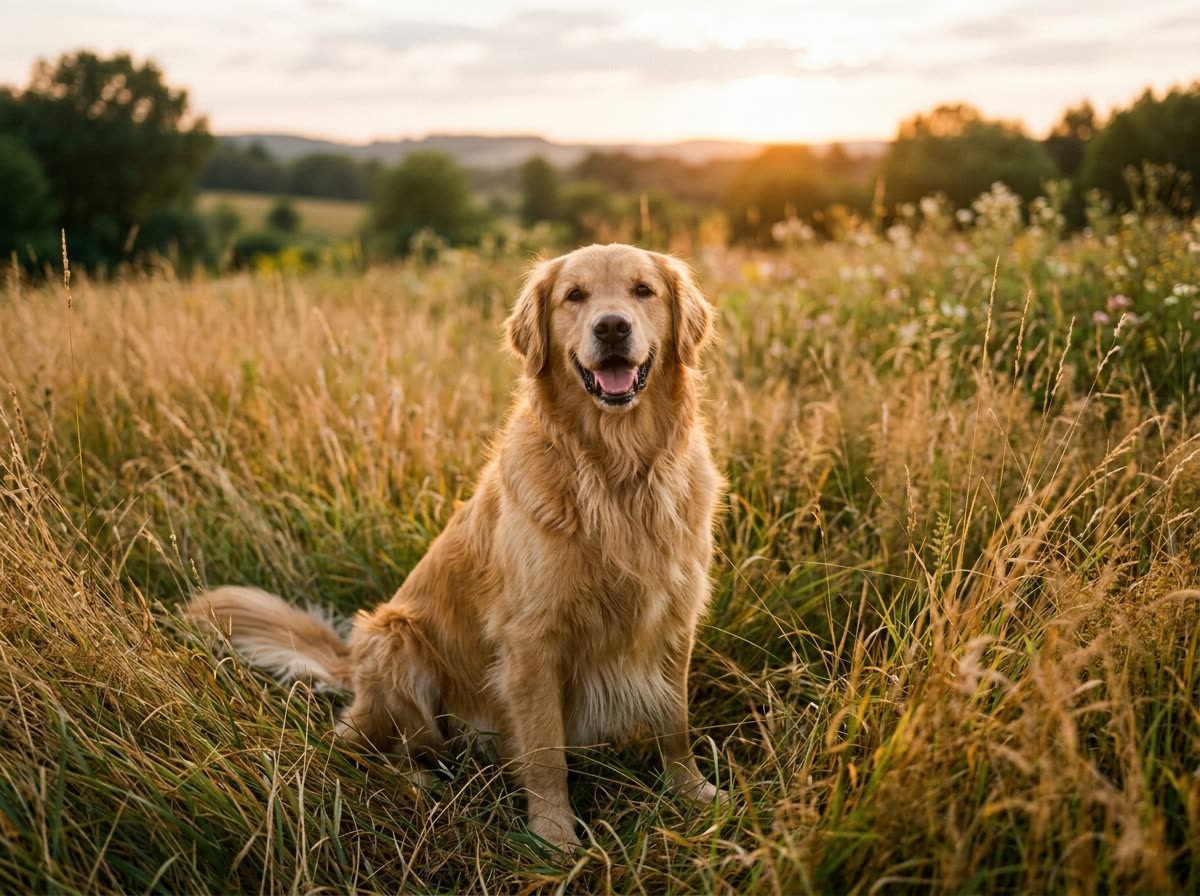
Golden Retriever A fetching, people-facing sporting dog whose gold coat does not lower the daily mileage.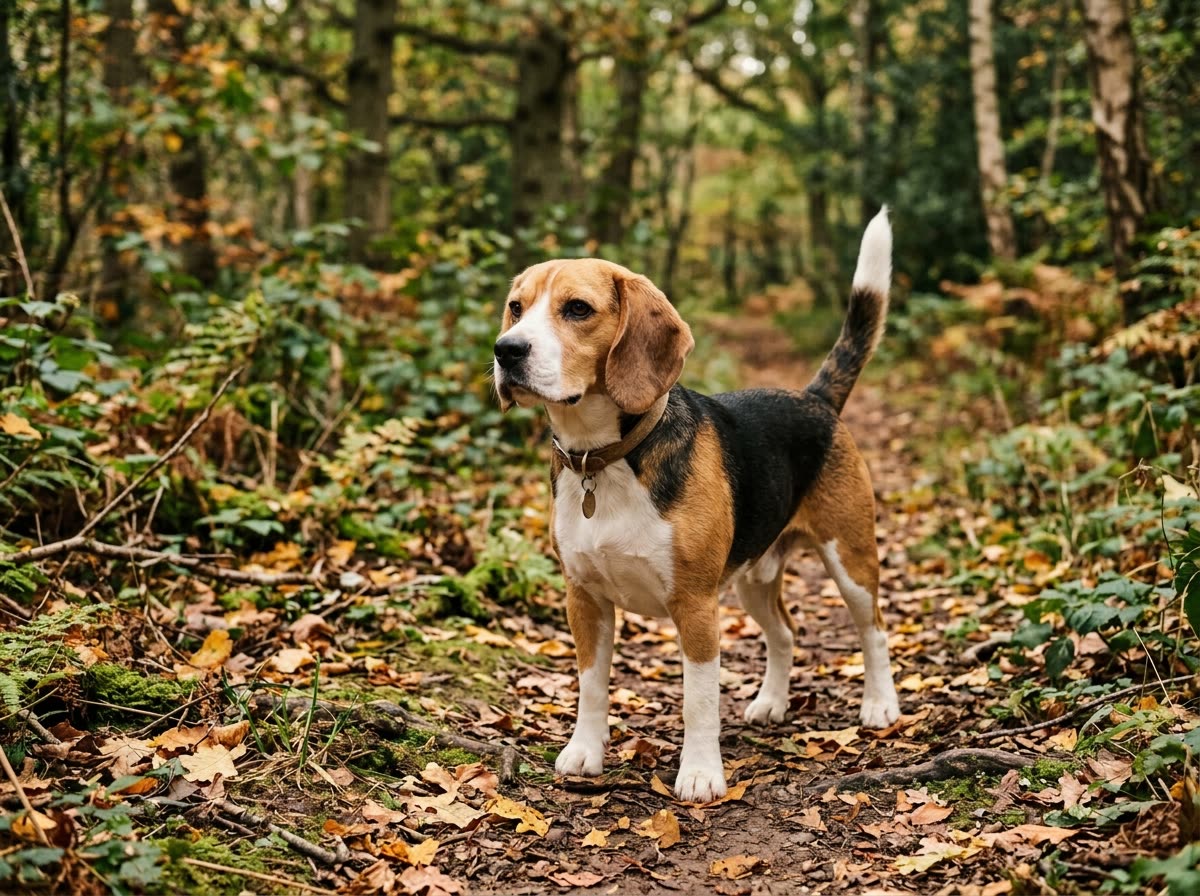
Hound
Beagle A pack hound whose nose will cancel your recall unless you pay better than the pavement.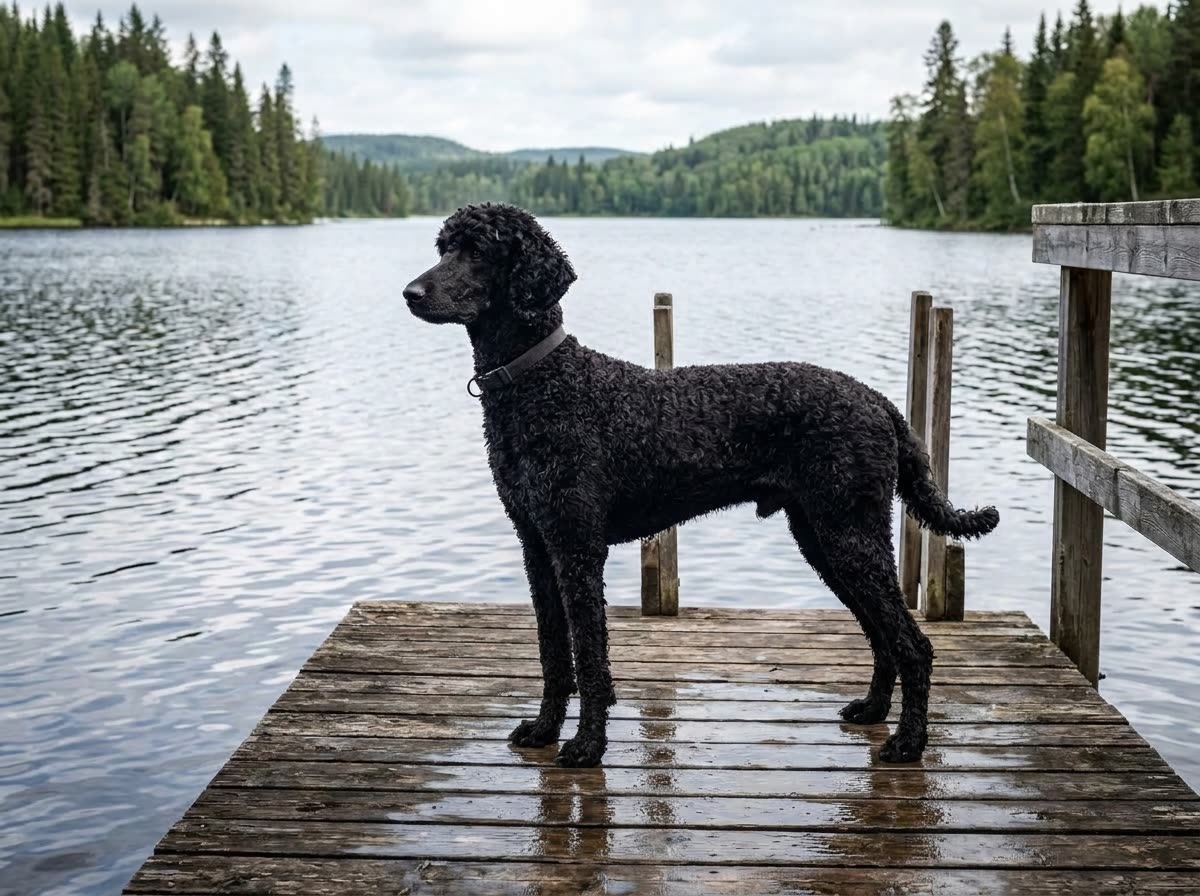
Non-Sporting
Poodle A water-retrieving athlete that people mistake for a decoration once the coat is clipped.