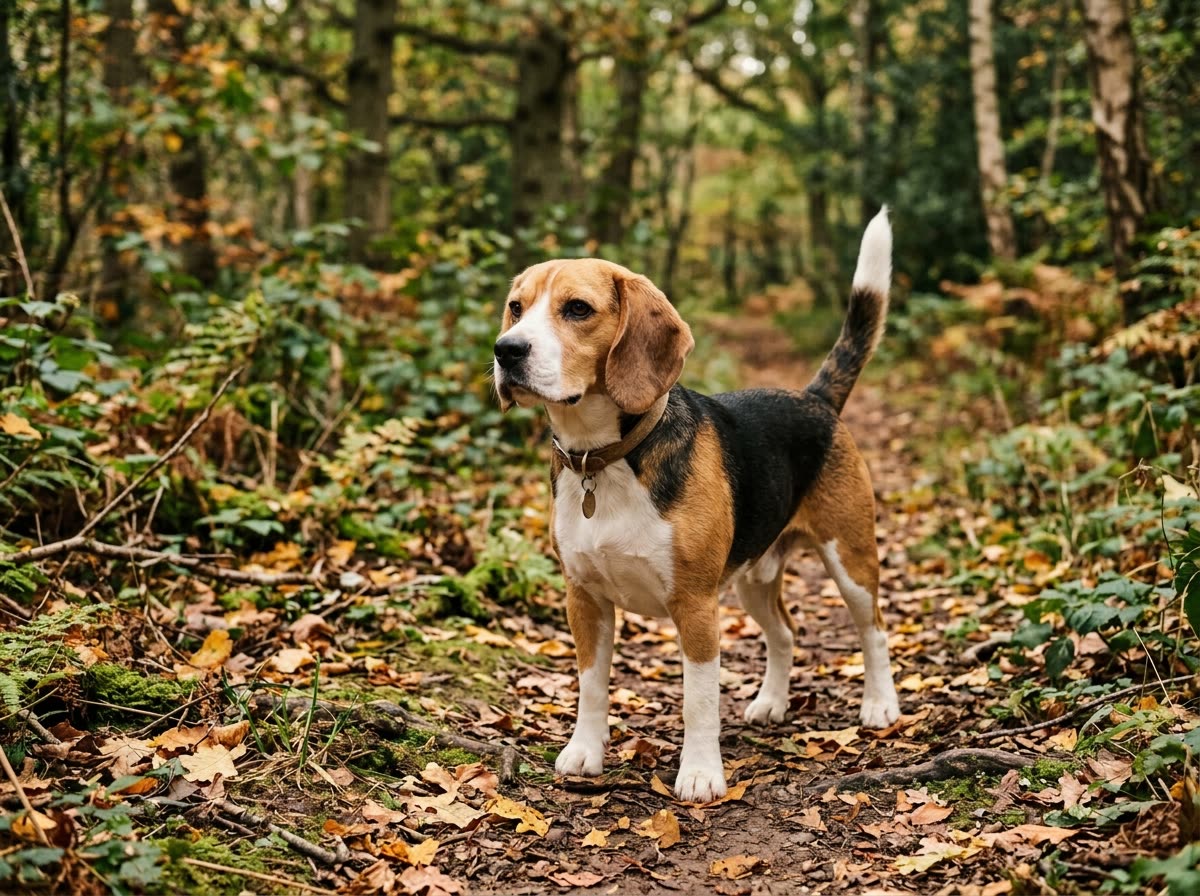
Hound group
Beagle
A pack hound whose nose will cancel your recall unless you pay better than the pavement.
About the Beagle
The Beagle is a scent hound in a compact, cheerful body. People hear merry and see a children’s-book outline. I hear hound: a dog that follows a trail with its whole week, speaks about it, and does not consider your front door the end of the story. If you wanted an off-lead cafe dog on day one, you wanted a different type.
Beagles are commonly shown in the Hound group. That is a public grouping about function — trailing game by scent — not a badge this site issues. Hound means the nose is the point. Training that ignores the nose is an argument you will lose.
There are smaller and larger Beagle outlines depending on the country and the ring. The household problem is the same: a fence, a lead, a toilet plan, and a way to tire the nose that is not an open gate.
Temperament
Beagles I meet are usually social, food-driven, and independent in the specific way hounds are independent: the trail is more interesting than your feelings. That is not spite. That is the job.
Voice is part of the type. Beagles bay. If you live in a thin-walled flat, this is not a footnote. Teach a settle and do not pay the chorus. Complete silence is a wish; a dog that can lie down after a walk is a plan.
With children, many Beagles are sturdy and playful, and many will steal snacks off a low table. Supervise food. With other dogs, the pack history helps, but a rude hello is still a rude hello. Teach it.
Escape art is real. A Beagle that can get its shoulders through a gap will go. Check the fence. Use a lead you are holding. GPS is not a training method; it is a recovery tool.
History
Beagles were built in Britain as pack hounds for following scent on foot. The compact size let people keep up. The voice let the pack and the people know where the trail had gone. None of that was designed around an urban recall standard.
The modern Beagle is a family dog, a detection dog, and a research-history dog depending on the country you are standing in. The useful through-line for an owner is the nose and the pack sociality. You are not raising a small Labrador. You are raising a hound that happens to fit on a sofa.
Popularity in media did the usual thing: more households, more surprise about the barking and the wandering.
Care
Walks should let the nose work. A marching heel for forty minutes is a poorer deal than a sniffy walk and a scatter feed in long grass. Add a second outing. Beagles who only get a tight pavement loop often invent a night job.
Weight is a project. The breed is a professional eater. Measure the ration. Use it as payment. A fat Beagle is a cute photograph and a harder veterinary decade.
In flats, the voice and the toilet schedule are the constraints. In houses, the fence is the constraint. In both, a crate or a puppy-proofed room is how you keep the nose from opening the bin.
Training
Pay well. Pay often. Then pay again when the dog leaves a smell for you. Recall is a long-line project measured in months, not a weekend. Until it is boringly reliable, the lead stays on outside a fenced area.
Scent work is not a luxury. It is speaking the dog’s language. Hide food. Let the dog hunt it. That tires a Beagle more honestly than a sit-stay seminar.
House training is ordinary and the nose will find last week’s accident if you did not clean it properly. Manage the unsupervised minutes. Crate training works if you do not use the crate as a punishment for baying.
Puppy mouths still need the biting ladder. Hound mouths can be persistent. End the game when teeth meet skin. Do not wrestle a Beagle for fun and then complain about the mouth.
Grooming
The coat is the easy bill: a rubber brush, a bath when the hound smell climbs, regular nails. Ears are the real work. Drop ears plus outdoor sniffing is a climate. Look weekly. Dry after rain. Smell or shake means a veterinarian, not a new cleaner from a feed.
Check paws after bramble walks. Beagles go where the nose points, including through the thing you would have walked around.
Health
General, not a diagnosis. Beagles as a type are often discussed in connection with weight, ears, and some inherited conditions. Keep the dog lean. Do not ignore a head tilt, a seizure, or a dog that cannot settle from itch.
I will not publish toxin amounts even though Beagles are famous for eating the unthinkable. If the dog ate something stupid, call a veterinarian or a poison-control line. The footer of this site lists public numbers. This page is not a chart.
Written by Andrew Darov, professional dog trainer. This profile is not veterinary advice and is not a diagnosis. We are not a kennel club.
Andrew Darov Professional dog trainerQuestions on this page
Can I let my Beagle off lead?
In an unfenced place, not until recall beats the ground, and maybe not then. Use a long line. Many honest Beagle households never do casual off-lead in an open park.
Are Beagles noisy?
They can be. Budget for voice. Exercise, a settle, and not paying the bay all help. A silent Beagle is not the breed promise.
Are they good for flats?
Possible with enough walks and neighbours who can live with some sound. Thin walls plus an idle hound is a short story.
Do Beagles get along with other dogs?
Often yes. They were packed up. Still teach manners. Still supervise food.
How do I stop the sniffing on walks?
You do not stop it. You budget for it and teach a follow cue between sniffs. A Beagle with no nose work is an unemployed hound.
Related breeds
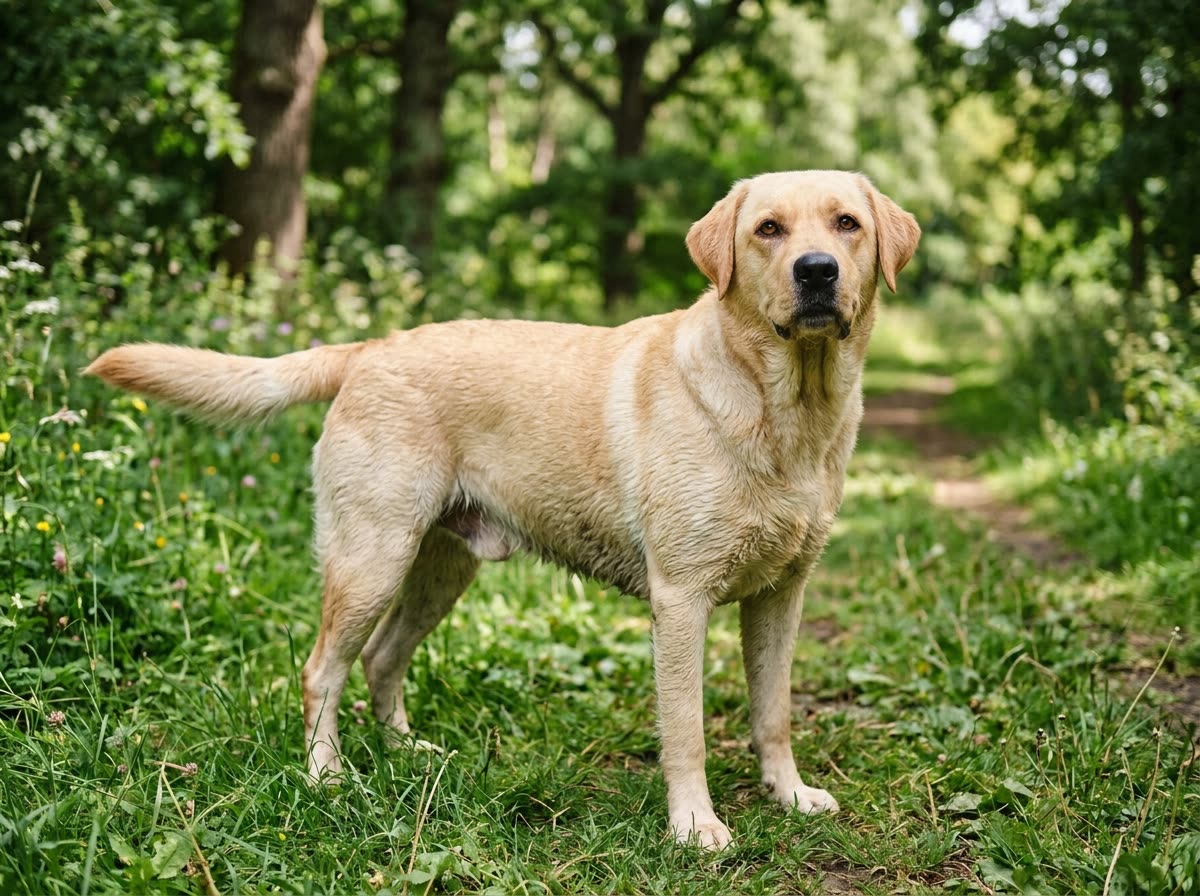
Sporting
Labrador Retriever A retrieving athlete who lives in your kitchen and will invent a job if you do not assign one.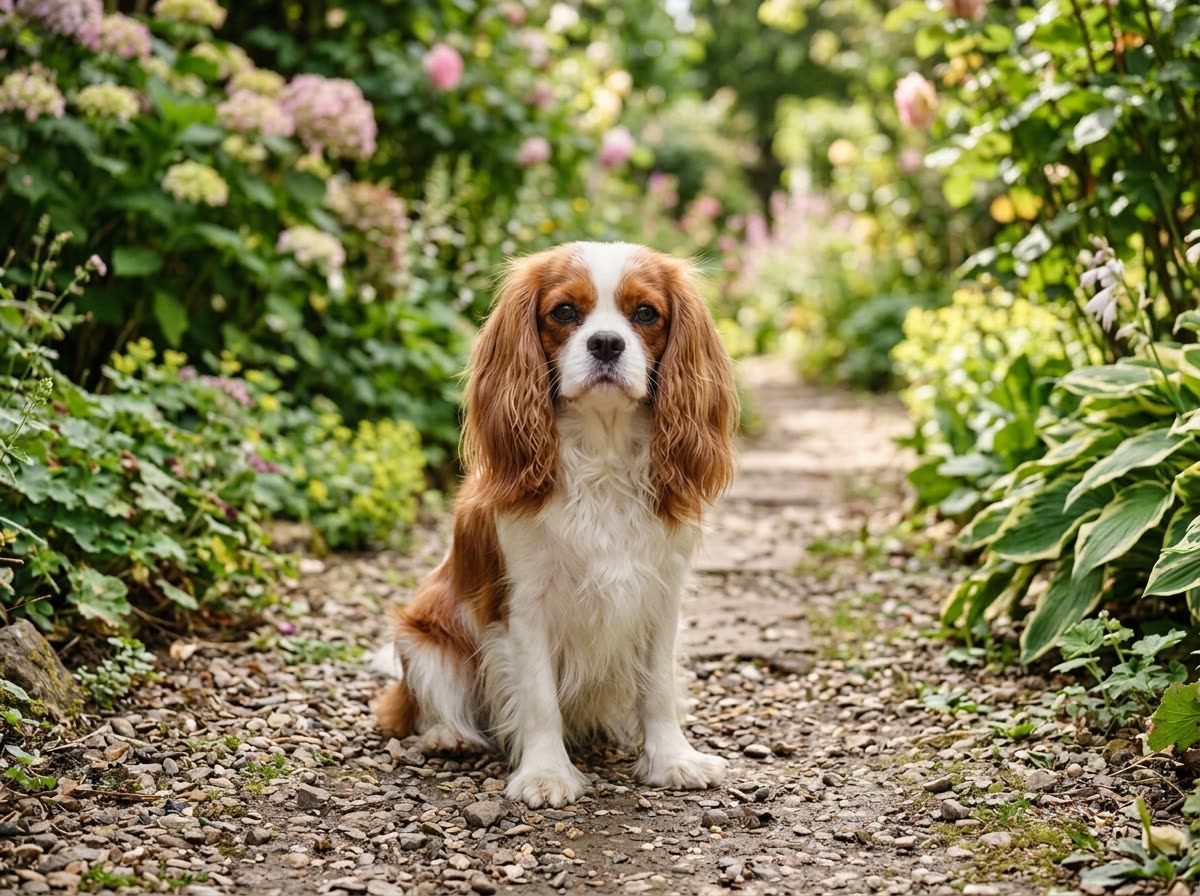
Toy
Cavalier King Charles Spaniel A toy spaniel that wants your sofa and still has a nose that will follow a crumb into the garden.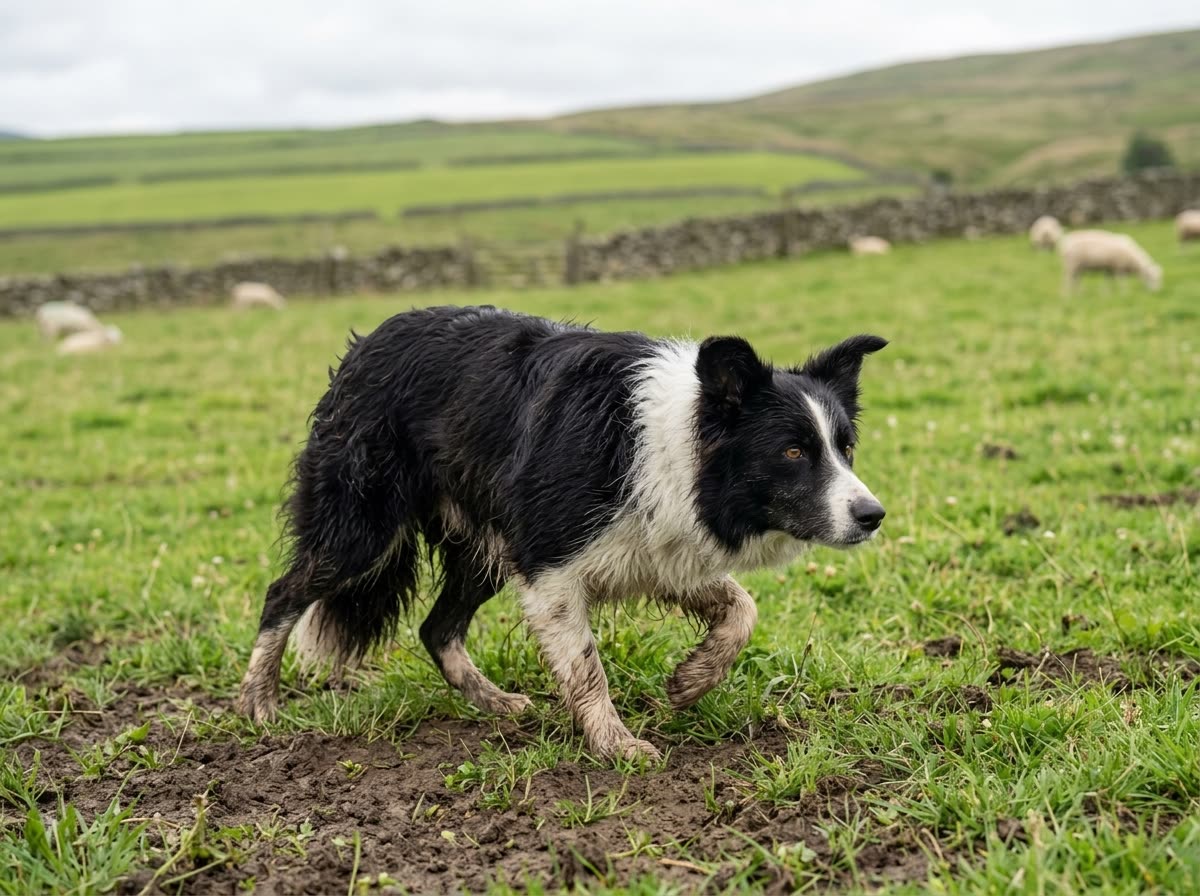
Herding
Border Collie A herding specialist that will assign itself the children, the traffic, and your left elbow if you do not give it a real job.