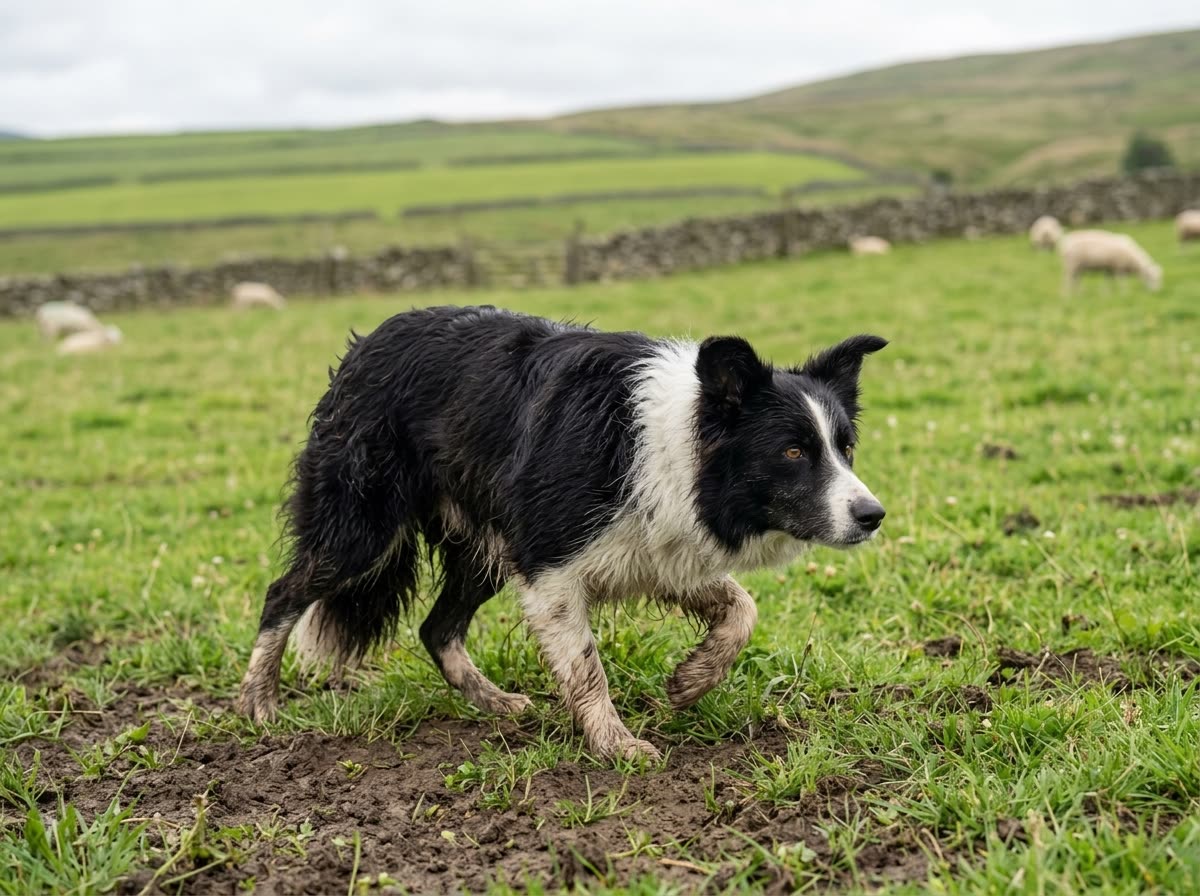
Herding group
Border Collie
A herding specialist that will assign itself the children, the traffic, and your left elbow if you do not give it a real job.
About the Border Collie
The Border Collie is not a slightly keener Labrador. It is a herding specialist: a dog that stares, stalks, and moves living things for a living. In a pet home those living things become bicycles, toddlers, vacuum cleaners, and the idea of a leaf. People buy the intelligence and then meet the unemployment.
The breed is commonly shown in the Herding group. That is a useful public label. It is not a compliment you can cash at 7 a.m. when the dog is pacing the kitchen. I train dogs. I do not register them. When I say herding, I mean motion is a trigger and a job, not a cute quirk.
There are working lines that still see sheep and companion lines that see a suburban cul-de-sac. Both need more than a ball. A ball on repeat is how you build a dog that cannot think when something moves.
Temperament
The Border Collie I want is intense, trainable, and able to switch off after work. The Border Collie I often meet is intense, under-employed, and unable to lie down while a sock exists. Sensitivity is common. These dogs read your hands, your breath, and your frustration.
The eye — that locked stare — is the breed’s tool. In a house it becomes stalking the cat, the child on a scooter, and guests who dare to leave a chair. Teach an off-switch. Pay looking back at you. Interrupt the stalk before it becomes a nip.
Sound and motion sensitivity can travel together. Fireworks, city buses, and chaotic parks are not a weekend socialisation plan. Threshold first: if the dog cannot eat, you are too close.
With children, do not buy the smart-nanny myth. Herding children is a behaviour problem and a safety problem. Gates, a rest place, and an adult who is watching are the protocol.
History
The type comes from the border country of Scotland and England, where a thinking dog and a crouch and a stare moved sheep over unforgiving ground. Trials and farm work kept the brain sharp. The pet market kept the look and often dropped the flock.
That is the whole plot. A dog bred to work all day with a handler will not be fulfilled by an open patio door. Popularity in agility and on the internet has not changed the job history. It has increased the number of households that are surprised.
If you want this breed, want the work: sheep if you have them, or scent, tricks, advanced obedience, herding lessons, and a calendar. Wanting a pretty black-and-white dog is not a plan.
Care
Care is a work-and-rest schedule. Two hours of mixed work is a starting conversation for many adults — walking, training, sniffing, a controlled retrieve — not two hours of mindless ball. Puppies need short sessions and a lot of sleep. An overtired collie looks like a delinquent.
Coat care is ordinary double-coat work: brush, especially the trousers and behind the ears. Smooth and rough coats both shed. Neither is a reason to skip the walk.
Flats: possible if you are an athlete or a trainer in your off hours. Gardens: not a flock. A collie left in a garden will herd the fence line and bark at the world’s motion. That is rehearsal, not enrichment.
Training
These dogs collect information. If your criteria are sloppy, you will own a sloppy masterpiece. Mark cleanly. End sessions before the dog frays. Teach a default settle that is as valuable as any trick.
Do not live on fetch. Fetch is rocket fuel. Use it as a paid retrieve with an off-switch, or swap in scent work, shaping, and a scatter feed. Impulse control is the curriculum: wait, leave-it, look at me when the world moves.
Crate and house training still come first. A clever puppy is not a housetrained puppy. The mouth will grab motion; use the biting ladder and do not tell a dominance story.
If the dog is already lunging at bikes or children, you are in reactivity territory. Distance, food, and a professional who can see the dog beat a louder lie-down.
Grooming
Brush weekly, more in shed season. Check paws, nails, and the feathering that collects burrs. Baths as needed. The coat is weather-minded; do not shave it into a summer surprise.
Ears and teeth as usual. Working dogs still need ordinary maintenance. A muddy collie is a cleanable collie, not a different species.
Health
General, not a diagnosis. Border Collies as a type are often discussed in connection with eyes, joints, and some inherited neurological conditions. I will not name-drop diseases as a shopping list. Ask breeders about testing and use a veterinarian for anything that looks like a seizure, sudden blindness, or unexplained pain.
Keep the dog lean. Do not smash a young collie on hard agility contacts every day. If the dog is compulsive — spinning, staring at lights, unable to stop fetch — change the plan and get qualified help. More ball is not the treatment.
Written by Andrew Darov, professional dog trainer. This profile is not veterinary advice and is not a diagnosis. We are not a kennel club.
Andrew Darov Professional dog trainerQuestions on this page
Can a Border Collie live in a city?
Yes, if you provide work and manage motion triggers. Cities are full of things to herd. That can be a hobby you did not want.
Is a collie a good first dog?
Only if the first-time owner is ready to train every day and to skip the ball addiction. Intelligence is not beginner mode.
How do I tire a Border Collie?
Mix brain and body. Scent, shaping, a walk, a short retrieve, then a crate nap. Endless fetch makes a twitchier dog.
Will they herd my kids?
They might. Prevent it with management and an off-switch. Do not wait to see if the dog grows out of a stalk.
Do they need sheep?
They need a job. Sheep are the original job. If you do not have sheep, you are the substitute. Budget the hours.
Related breeds
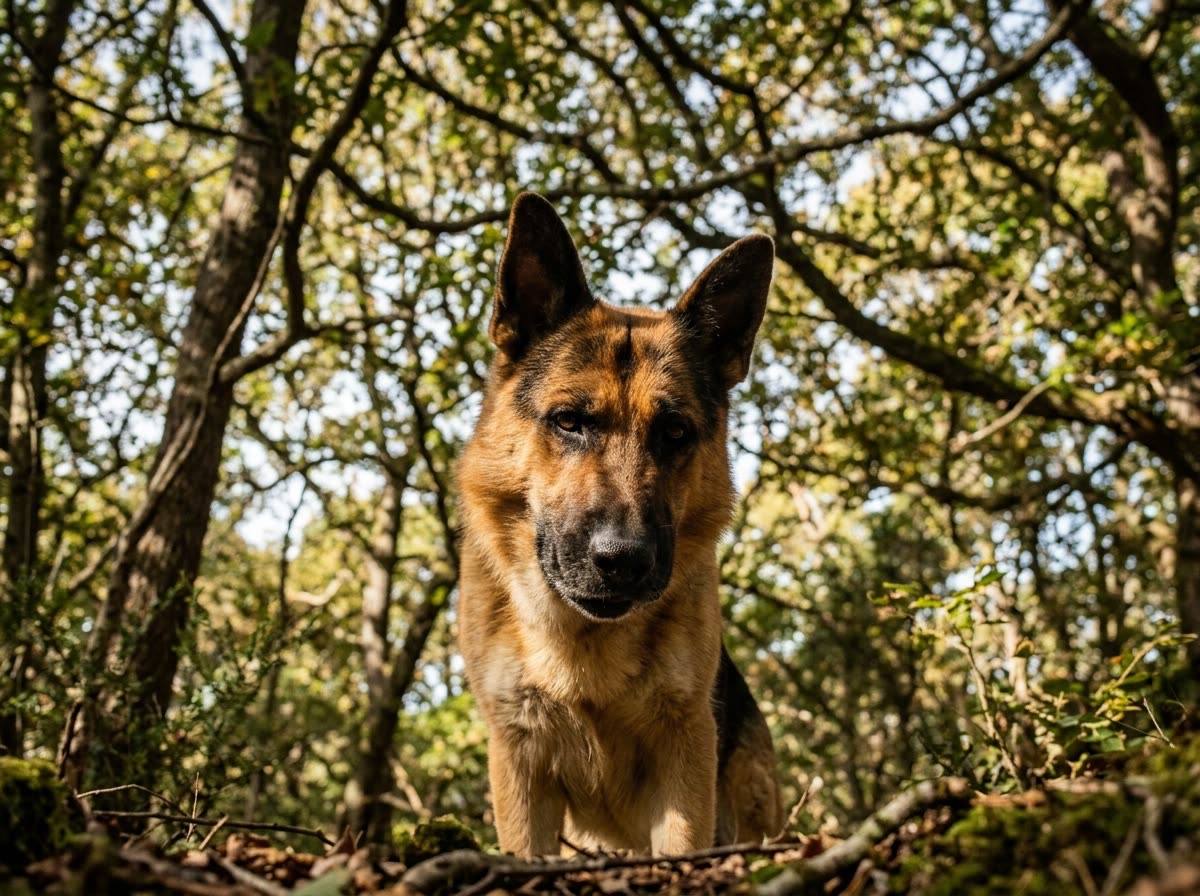
Herding
German Shepherd Dog A handler-focused working dog that will patrol your Tuesday if you do not give it a clearer job.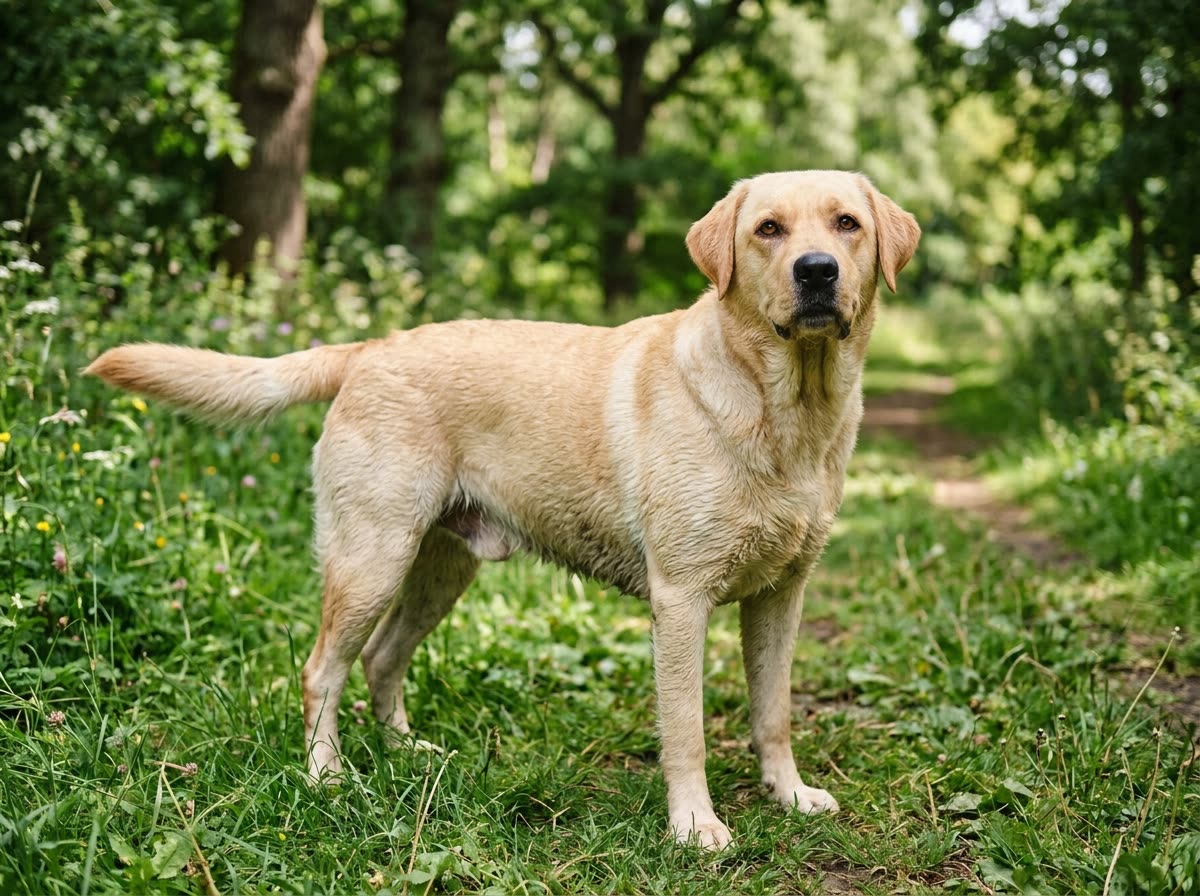
Sporting
Labrador Retriever A retrieving athlete who lives in your kitchen and will invent a job if you do not assign one.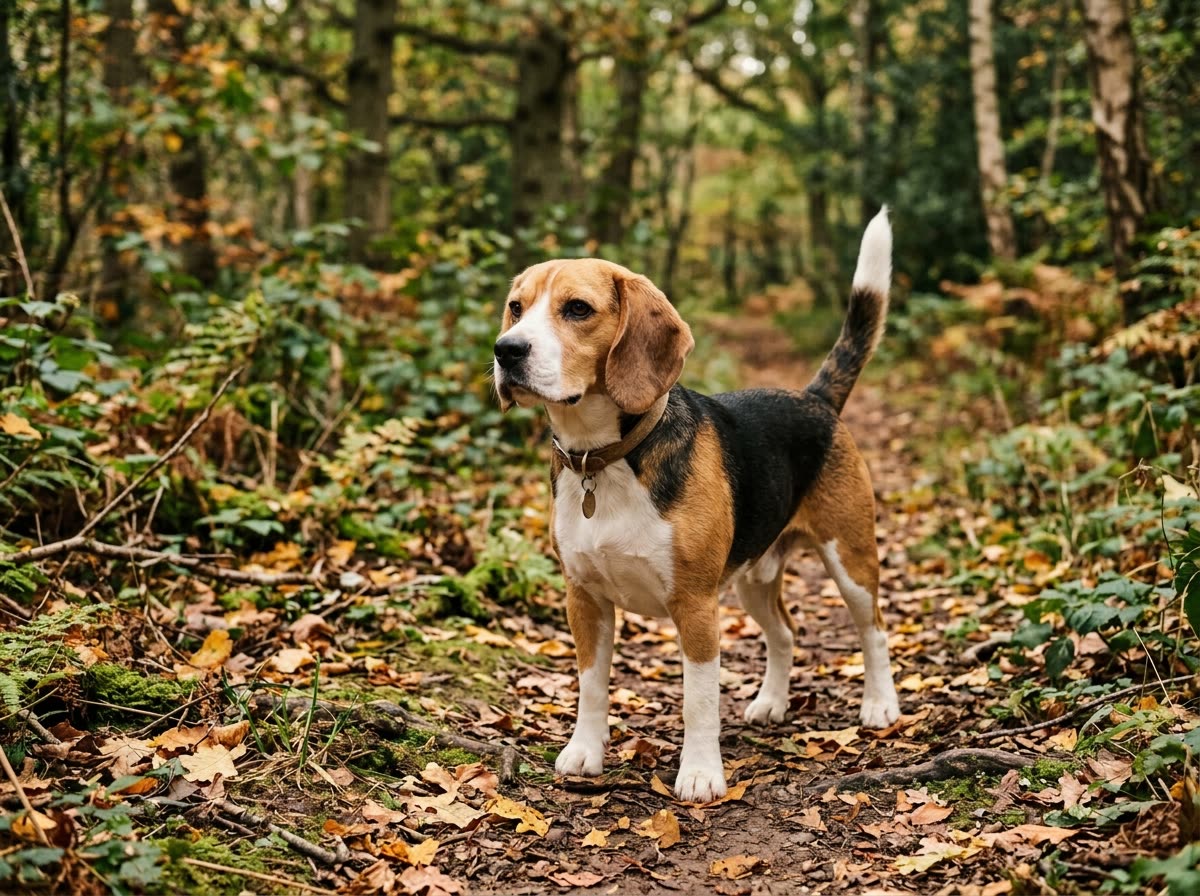
Hound
Beagle A pack hound whose nose will cancel your recall unless you pay better than the pavement.