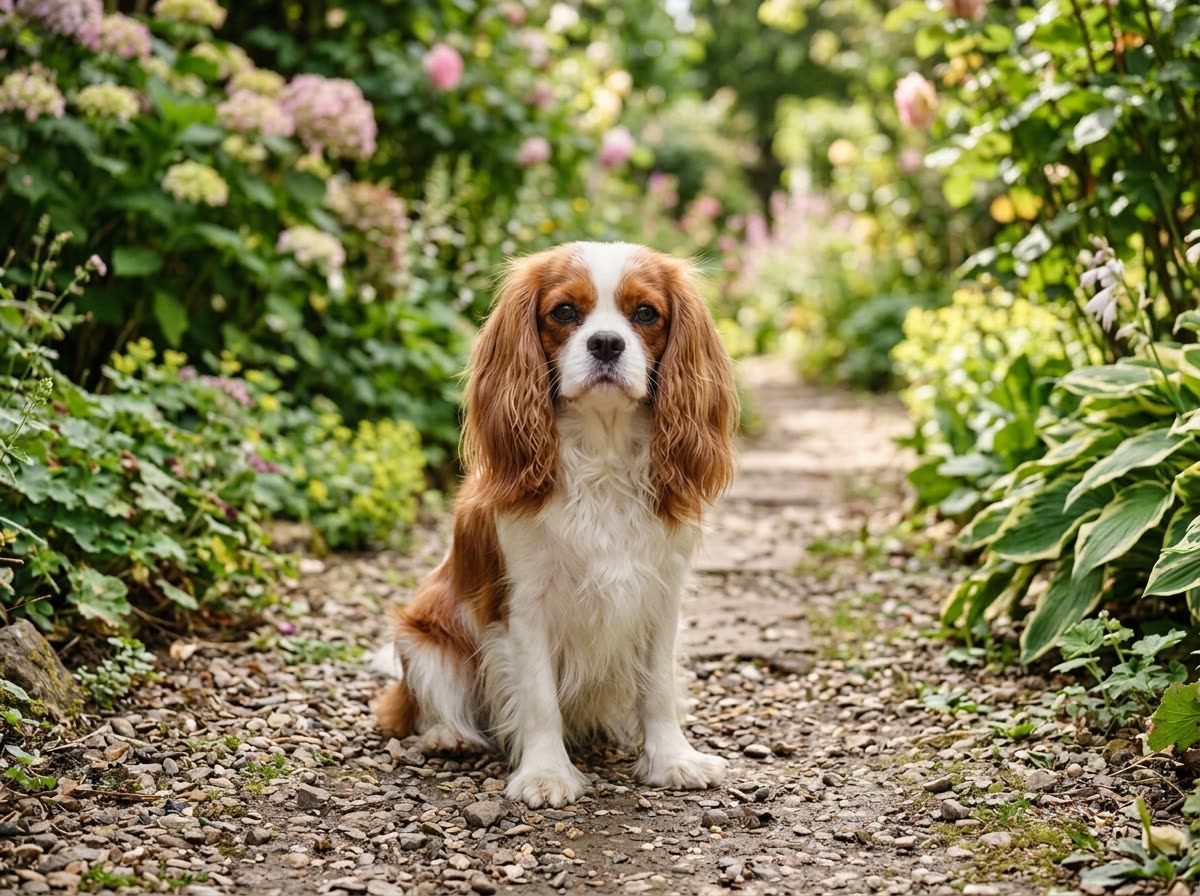
Toy group
Cavalier King Charles Spaniel
A toy spaniel that wants your sofa and still has a nose that will follow a crumb into the garden.
About the Cavalier King Charles Spaniel
The Cavalier King Charles Spaniel is a toy companion with spaniel hardware: drop ears, a silk coat, and a nose that still believes the world might contain a bird. People buy them as lap dogs and then meet a small sporting leftover — a dog that will walk, sniff, and greet everyone at the cafe table.
The breed is commonly shown in the Toy group. That grouping describes size and companion purpose at events. It is not a medical clearance and it is not this site acting as a registry. Toy means you can pick the dog up. It does not mean you should skip the toilet plan.
Cavaliers are usually social to a fault. That is the joy and the training problem. A dog that loves everyone will still jump, still bark at the door, and still toilet in the house if you never teach the other options.
Temperament
The Cavalier I meet is typically soft, people-seeking, and eager to be in the room. Separation can be loud if the dog has never practiced being alone. Teach absences in the same room first, then short exits, the way you would with any companion breed.
They are rarely tough about correction. They are excellent about food and gentle play. If you wanted a stoic farm dog, you are in the wrong paragraph.
With children, the dog is small and the coat is grabable. Teach kids to let the dog leave. Provide a crate or bed that is not a toy box. With other dogs, many Cavaliers are friendly and some are too friendly — rushing in, rolling over, inviting chaos. Manage the hello.
Sound: they can alarm-bark. They are not guard dogs. Paying the bark with a conversation installs a hobby.
History
Toy spaniels sat on European laps for centuries; the modern Cavalier is a twentieth-century revival of a longer-muzzled picture-spaniel type, distinct from the English Toy Spaniel. The job was companionship, with a leftover of spaniel hunting in the bones.
That leftover is why a Cavalier will still quarter a garden and why a walk in long grass is a bigger event than the sofa suggests. History also explains the demand: a photogenic lap dog with a gentle reputation. Demand plus a small gene pool is a reason to talk to a veterinarian about the individual dog, not a reason for this page to play cardiologist.
You will see Cavaliers in city cafes and in country kitchens. Both can work. Neither replaces a rest place and a schedule.
Care
Daily care is a moderate walk, a sniffing session, and a lap that is not the only plan. These dogs enjoy comfort. They also enjoy a trail of crumbs. Watch the waist. A heavy Cavalier is not a cozy Cavalier; it is a joint and heart conversation waiting for a vet.
Coat: silk mats behind ears and in the feathering. Brush several times a week. After rain, dry the ears. After the park, check for seeds.
Flats suit the size. Lifts and polite greetings become the curriculum. Heat is less dramatic than in a short-faced breed, but a dark, heavy-coated dog still needs shade and water.
Training
Cavaliers usually want to work with you. Keep sessions short and kind. Teach sit for a hello so the cafe table is not a jumping practice. Teach a bed so the sofa is a privilege, not a right that starts a fight with a toddler.
House training is the same learning as a Labrador, in a smaller bladder. Manage the unsupervised minutes. Pads can work in a high-rise if you are consistent; outdoors is still teachable. See the potty page for both setups.
Crate training is useful even for a lap dog. Especially for a lap dog. The crate is how you shower without a shadow and how you prevent rehearsal of chewing. Door-open introduction, then nights as their own protocol.
Recall in a garden is often easy. Recall at a picnic is a spaniel nose versus your voice. Long line and food beat hope.
Grooming
Brush the ears, chest, and trousers. A metal comb finds the mats a brush skips. Trim the hair under the ear and between pads if it collects mud. Baths when dirty; the coat looks better if you do not strip it daily.
Eyes can tear; wipe gently. If the eye is red or painful, stop grooming and call a veterinarian. Teeth in toy breeds often need more attention than people budget. Ask your vet, not a treat aisle.
Health
General, not a diagnosis. Cavaliers as a type are often discussed in connection with hearts, knees, and a serious neurological condition that owners should ask a veterinarian about by name in the clinic, not from a trainer essay. I will not pretend to screen your dog from a webpage.
What I will say: keep the dog lean, do not ignore a cough or fainting, and do not breed from a story. This page is not vet-reviewed. Training notes stop when the dog is unwell.
Written by Andrew Darov, professional dog trainer. This profile is not veterinary advice and is not a diagnosis. We are not a kennel club.
Andrew Darov Professional dog trainerQuestions on this page
Is a Cavalier a good apartment dog?
Often yes. You still need a walk, a toilet plan, and practice at being alone. Size does not housetrain itself.
Do they bark a lot?
They can. Teach a bed and do not pay the door chorus. They are not a watchdog strategy.
Are Cavaliers good with kids?
Many are gentle and many are fragile. Supervise. Do not let children treat the dog as a toy.
How much grooming?
Several brushings a week and regular ear care. The coat is prettier than it is easy.
Can they be left alone all day?
They are companion dogs. Build absences slowly. A crate and a chew help; eight hours from day one does not.
Related breeds
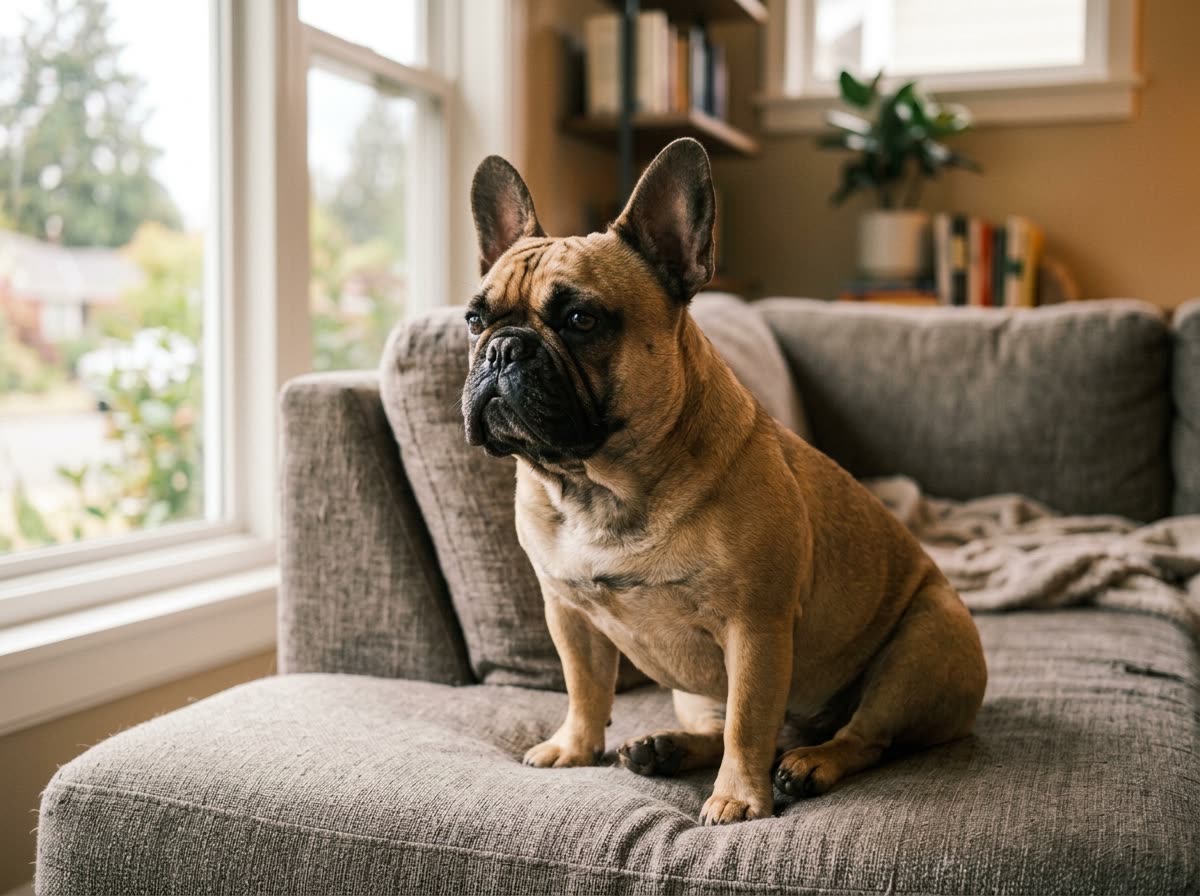
Non-Sporting
French Bulldog A compact companion with a clown reputation and a respiratory system you do not get to ignore.
Sporting
Golden Retriever A fetching, people-facing sporting dog whose gold coat does not lower the daily mileage.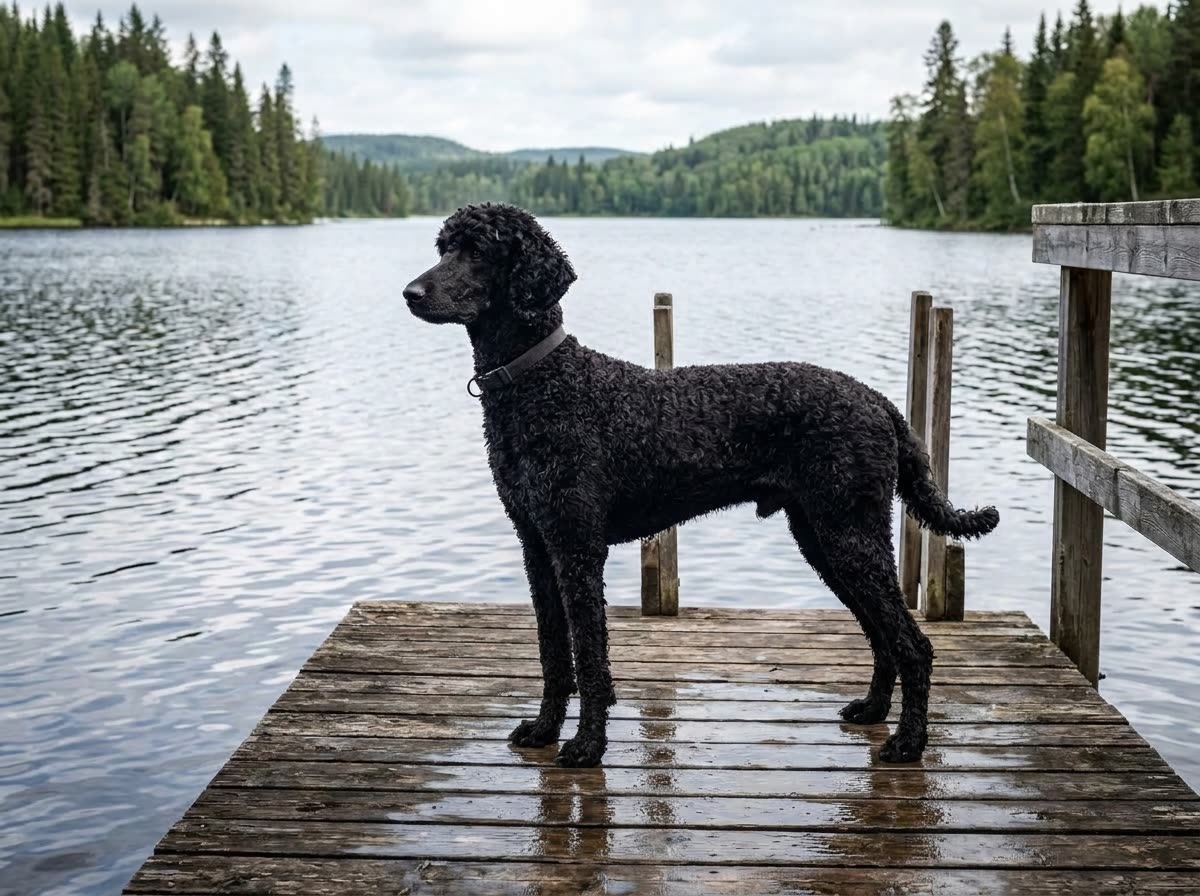
Non-Sporting
Poodle A water-retrieving athlete that people mistake for a decoration once the coat is clipped.