Herding group
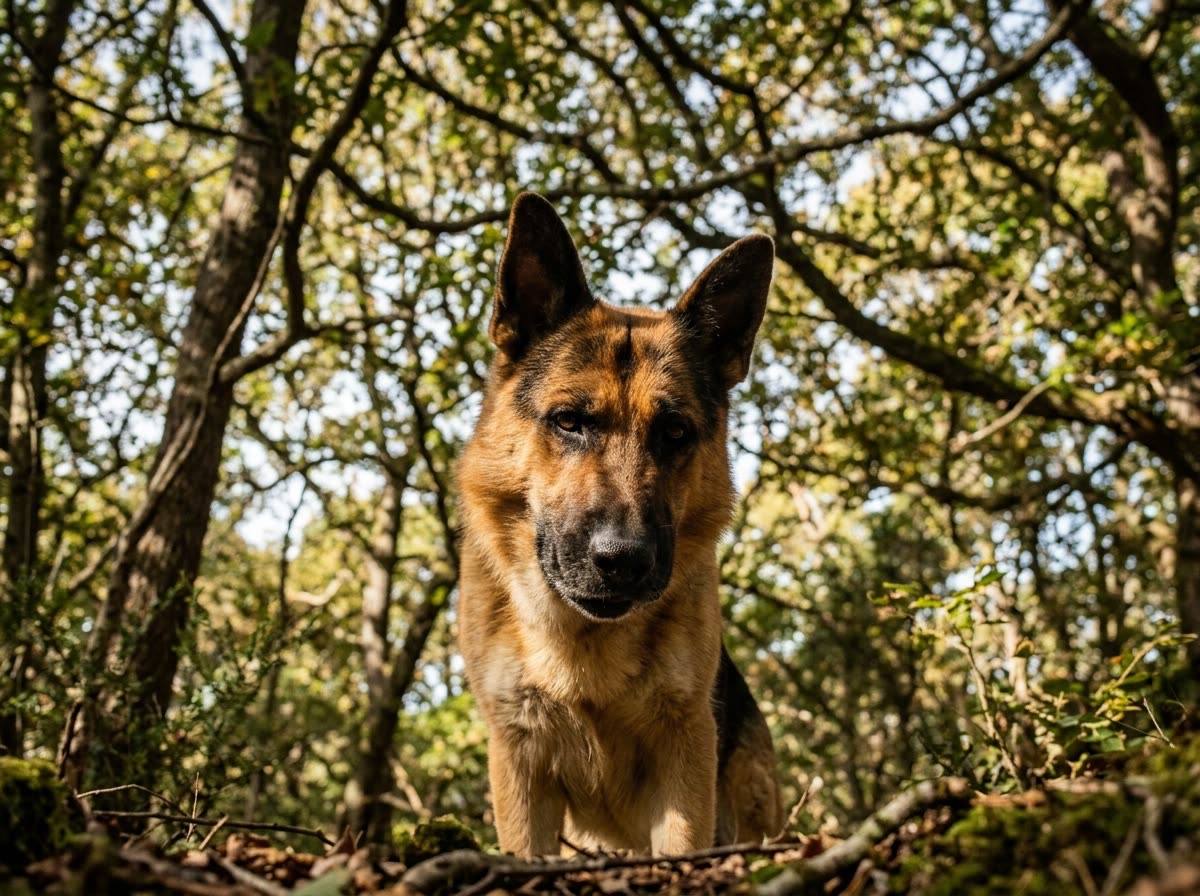
German Shepherd Dog
A handler-focused working dog that will patrol your Tuesday if you do not give it a clearer job.
About the German Shepherd Dog
The German Shepherd Dog is a herding and working type that people buy for loyalty and then meet as a project. The silhouette is famous: a wedge of a head, a double coat, a body that looks like it should be doing something. In a house, that something becomes watching the street, tracking your mood, and rehearsing whatever you accidentally pay.
The breed is commonly shown in the Herding group. Public knowledge, not a claim that this site is a registry. Herding in a pet home does not look like sheep. It looks like stalking children, circling joggers, and nipping motion. If you wanted a sofa ornament, you bought the wrong outline.
Lines differ more than marketing admits. Some GSDs are sport or working dogs with a huge engine. Some are softer companion dogs. Some have hips or backs that should change how you exercise a youngster. I will not pick a bloodline for you. I will tell you that an idle German Shepherd is rarely a calm German Shepherd.
Temperament
The GSD I want to live with is confident, handler-focused, and able to settle after work. The GSD I often meet is under-exercised, over-patrolled, and sure that the front window is a job. Both dogs can look noble in a photograph.
Suspicion of strangers is not automatically aggression, and it is not automatically useful. A dog that cannot eat in the presence of a guest is over threshold. Flooding that dog with a party is how you buy a worse week. Distance, food, and a place to go are the protocol — the same threshold rules as any reactive dog.
Mouth: young GSDs can be sharp in play. Herding mouths grab motion. Teach an off-switch early. If a bite has a job — freeze, hard stare, guarding a resource — stop DIY and get a qualified professional in the room.
With children, structure first. A GSD that has a rest place, a walk, and a training session is a different animal from a GSD that is asked to babysit. Do not ask.
History
The breed was assembled in Germany around the turn of the twentieth century as a herding and then a versatile working dog: police, military, assistance, sport. The point was a dog that could take direction, cover ground, and stay in the work. The modern pet market kept the silhouette and often dropped the job.
You will hear arguments about slope of back, about working versus show lines, about colour. Those arguments matter to people who breed. For an owner, the useful history is simpler: this type was not invented to nap through a work-from-home Tuesday with a window and a wish.
German Shepherds remain widely shown and widely owned. Popularity plus a working brain is how you get both excellent partners and dogs that are passed around because nobody budgeted for the mind.
Care
Care is work plus rest. An adult GSD usually needs a longish walk, a training session that is not just sit, and a sniffing or searching job. A trot beside a bicycle is not a personality. A tired brain is.
Puppies should not be run as small adults. Growing joints and long backs are not a reason to skip walks; they are a reason to skip repetitive leaping and marathon pavement. Teach the dog to settle in a crate or on a bed between short sessions.
Coat: the undercoat is a season. Brush. Vacuum. Do not shave a double coat because summer arrived. Shade, water, and a cooler walk time are kinder.
A GSD that lives in a flat can do well if you are honest about outings. A GSD that lives in a garden and never leaves it often becomes a fence-runner. The garden is not the job.
Training
These dogs usually like a clear criterion. Vague cheerleading produces a dog that offers everything and understands nothing. Name the behaviour. Pay it. Raise the difficulty in steps the dog can win.
Start with engagement — name, follow, a hand target — then add a settle. A German Shepherd that cannot lie on a bed while you answer email will invent patrol. Duration work is not optional.
Recall and loose leash are manners and safety. A strong dog that hits the end of the lead at a bicycle is a liability. Long line, food, and distance from the trigger beat a louder sit.
Crate and house training still come first with a puppy. The mouth is a herding mouth; use the biting ladder. Do not tell a story about the dog trying to dominate the household. Pay the behaviours you want and stop the rehearsal of the ones you do not.
Grooming
Brush the undercoat out or live in it. A slicker or undercoat tool a few times a week, daily in blow season. Check the ears, the nails, and the skin along the hips where a heavy coat can hide irritation.
Baths as needed. The coat has oil. If the dog smells like a wet rug every week, look at the environment and the skin, not only the shampoo. Skin that will not settle is a veterinary question.
Health
General, not a diagnosis. German Shepherds as a type are often discussed in connection with hips, elbows, and spinal or digestive sensitivity. Some dogs have skin that reacts to everything. None of that is a label you should apply from a webpage.
Keep the dog lean. Raise the puppy without endless ball-on-concrete sessions. If the dog goes down in the hind end, cannot rise, or has a hard, painful belly, you are not in a training article anymore. Call a veterinarian.
I will not publish vaccine schedules or toxin doses. I will say: find a vet you trust before you need them at 11 p.m.
Written by Andrew Darov, professional dog trainer. This profile is not veterinary advice and is not a diagnosis. We are not a kennel club.
Andrew Darov Professional dog trainerQuestions on this page
Is a German Shepherd a good apartment dog?
It can be, if you provide work and rest. Square footage does not replace a job. A bored GSD in a flat becomes a vocal, chewing patrol.
Are they aggressive?
They are a type that can be reserved and that can be used for protection sports. Reserved is not the same as aggressive. A dog that cannot cope with guests needs management and a professional, not a myth about guarding the family.
How much training time per day?
Two or three short sessions plus a real walk beat a single two-hour grind. Teach a settle so the rest of the day is not a rehearsal.
Do they shed?
Yes. Plan on coat in the house. The double coat is not optional fashion.
When is a GSD too much dog?
When the household cannot walk, train, and manage a focused working type. Buy the week you actually have, not the silhouette.
Related breeds
Herding
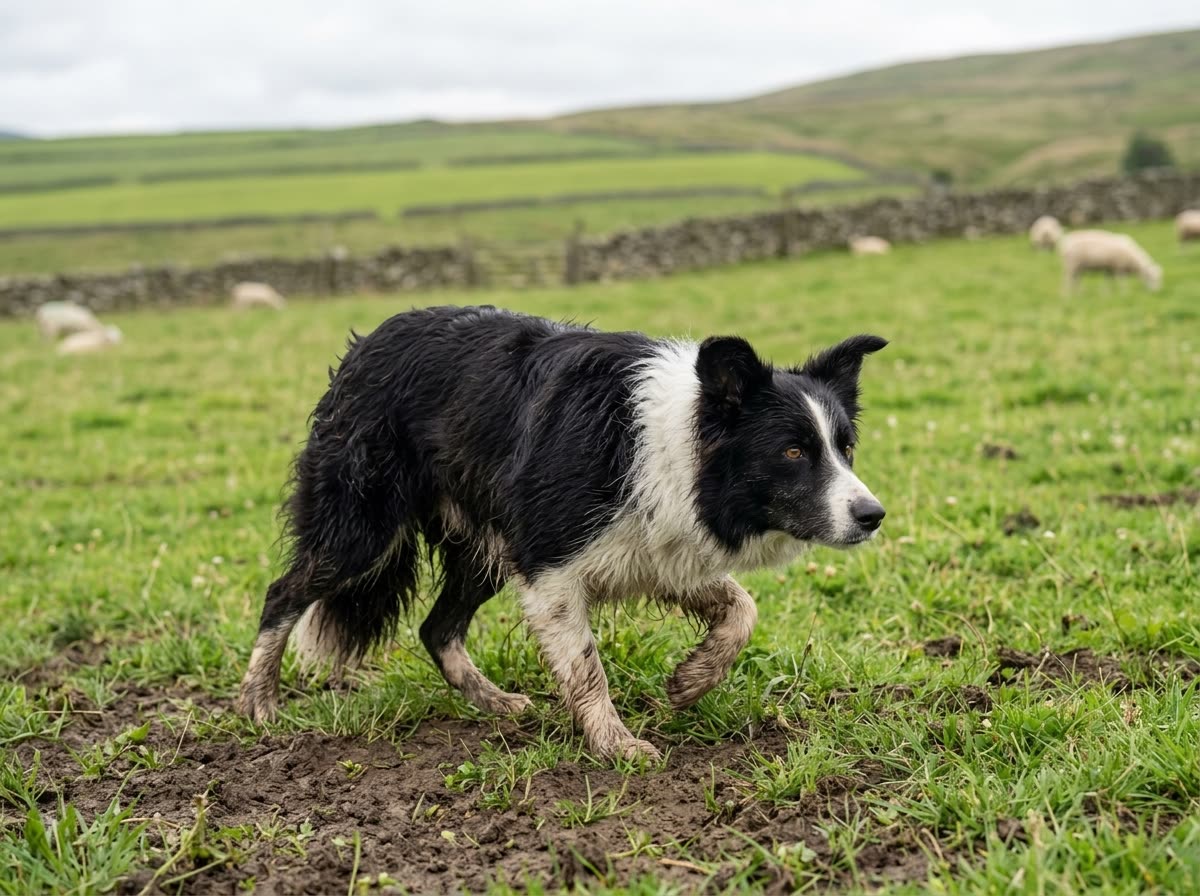
Border Collie A herding specialist that will assign itself the children, the traffic, and your left elbow if you do not give it a real job.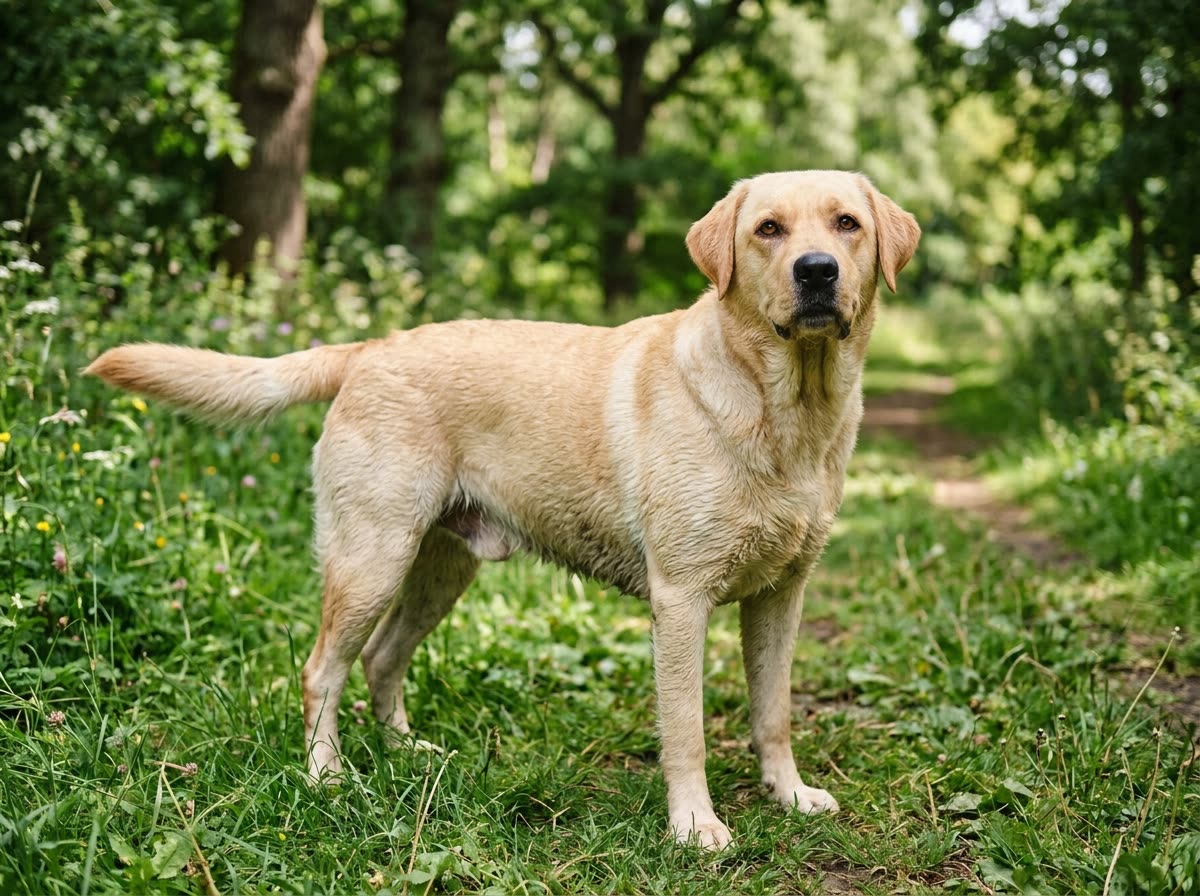
Sporting
Labrador Retriever A retrieving athlete who lives in your kitchen and will invent a job if you do not assign one.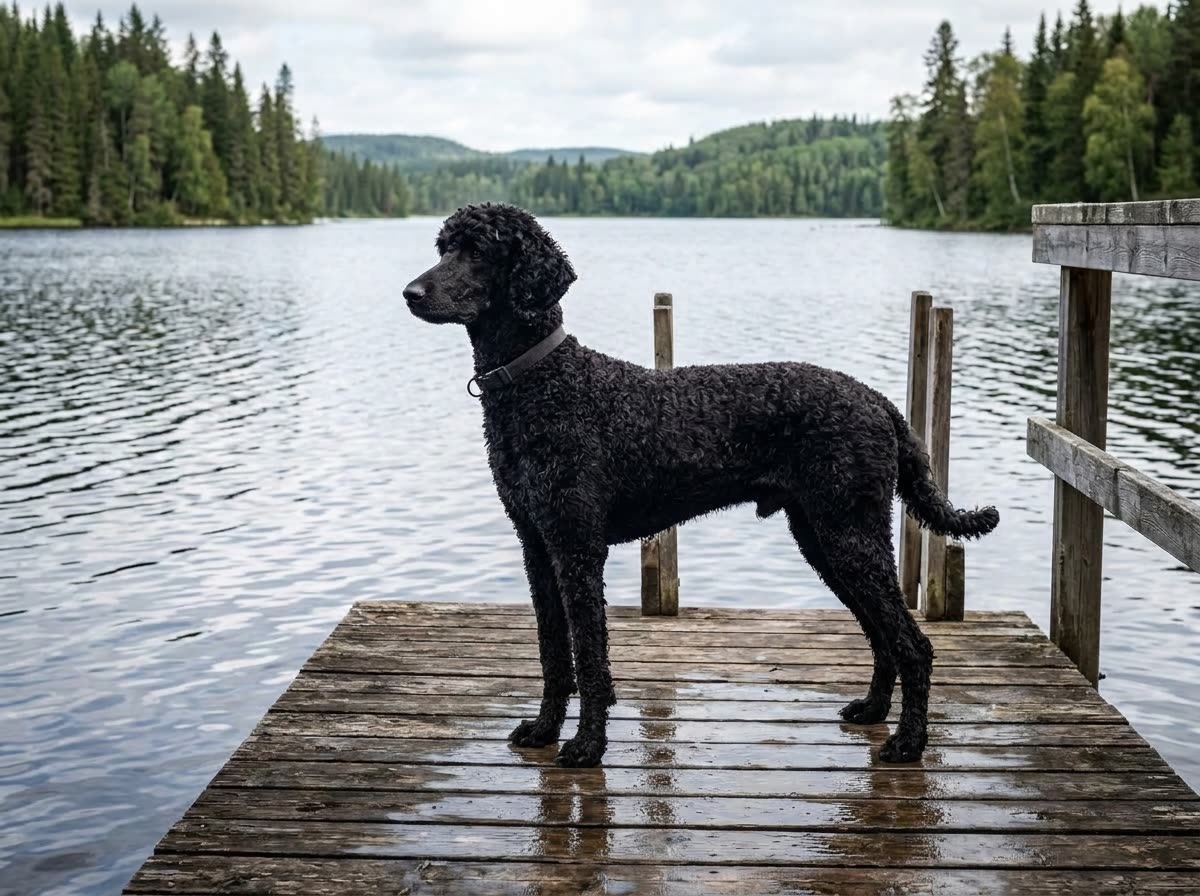
Non-Sporting
Poodle A water-retrieving athlete that people mistake for a decoration once the coat is clipped.